
Commercial Building Exterior Maintenance Tips: A 2026 Guide
Table of Contents
Why Commercial Building Exterior Maintenance Matters
Roof Inspection and Maintenance
Gutter and Downspout Cleaning
Exterior Wall and Facade Inspection
Creating a Commercial Building Maintenance Checklist
Legal and Compliance Foundations
Building Your Maintenance Checklist
Liability Protection Through Documentation
Commercial Pressure Washing Benefits and Best Practices
Establishing an Exterior Building Cleaning Schedule
Frequency Guidelines by Building Type and Climate
Calculating Preventative vs. Reactive Maintenance ROI
Preventative Maintenance Costs (Annual):
Documenting Schedule and Justifying Spending
Seasonal Scheduling Template
Conclusion
Frequently Asked Questions
Last Updated: September 18, 2026
Why Commercial Building Exterior Maintenance Matters
The exterior of your commercial building is the first thing customers, clients, and partners see. A well-maintained facade signals professionalism, competence, and attention to detail. Neglected exteriors communicate the opposite: that you cut corners, lack resources, or don't care about appearances.
Roof Inspection and Maintenance
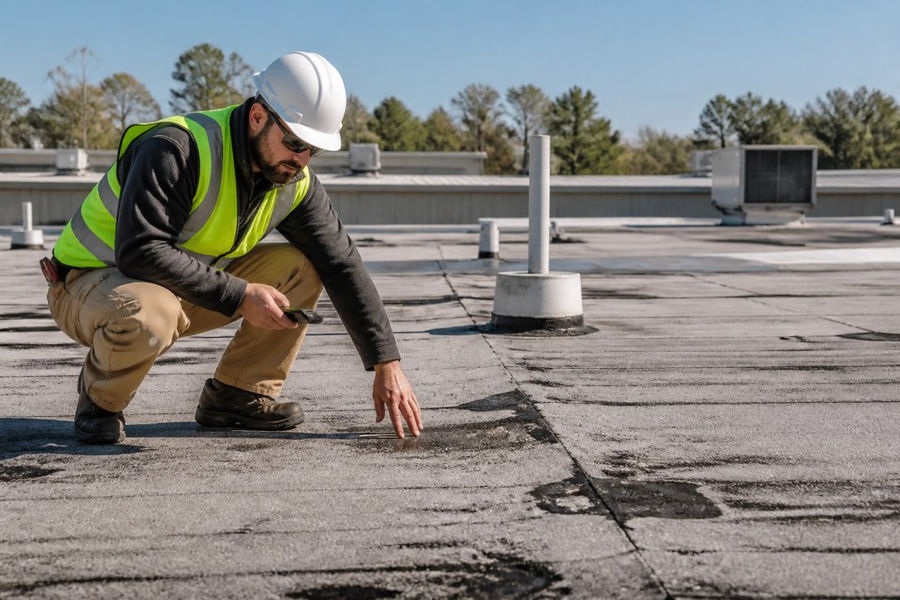
Your roof is the most expensive component to replace. Inspect twice yearly, spring and fall, to catch problems early.
Gutter and Downspout Cleaning
Gutters and downspouts move water away from your building. When they fail, water pools against the foundation and accelerates structural deterioration.
Exterior Wall and Facade Inspection
Exterior walls face constant weather, UV, and pollutant exposure. Regular inspection catches problems before they compromise integrity or appearance.
Creating a Commercial Building Maintenance Checklist
A structured checklist transforms maintenance from reactive scrambling into predictable work and is your primary defense against liability claims and regulatory violations.
Legal and Compliance Foundations
Property owners and managers have a legal duty to maintain building exteriors safely, codified in multiple frameworks:
ADA Compliance: Exterior walkways and accessible routes must be free of trip hazards and cracks wider than 1/4 inch. Failure to maintain them can result in civil rights complaints and costly litigation.
Fire Code: Fire lanes, emergency exits, and roof access must remain clear and functional. Violations result in citations, fines, or liability.
OSHA Requirements: Exterior work areas and rooftop equipment require fall protection systems, guardrails, and safe access routes.
Local Building Codes: Most municipalities require periodic exterior inspections and documented maintenance for structural integrity, weatherproofing, and drainage.
Building Your Maintenance Checklist
Your checklist should include:
Monthly visual inspection - Walk the perimeter, note any visible damage, trip hazards, or accessibility concerns. Document with photos and date stamps.
Quarterly gutter and downspout cleaning - More frequent if trees are nearby. Verify water drains at least 4-6 feet from foundation.
Bi-annual roof inspection - Spring and fall, before and after severe weather seasons. Check for debris, standing water, and flashing integrity.
Annual pressure washing - Remove algae, mold, and dirt accumulation from siding and hard surfaces. Verify no slippery conditions remain on walkways.
Annual sealant and caulk inspection - Check windows, doors, and material joints for deterioration. Replace compromised sealants to prevent water ingress.
Annual ADA compliance audit - Inspect all exterior accessible routes for cracks, trip hazards, and proper slope. Document any deficiencies and remediation dates.
Annual HVAC exterior component check - Ensure condensers and vents are clear and functioning. Verify no debris or ice buildup in winter.
Seasonal debris removal - Clear leaves, branches, and accumulated dirt from roof, gutters, and grounds. Remove snow and ice from walkways and emergency exits promptly.
Annual parking lot and pavement assessment - Look for cracks, potholes, and drainage issues. Verify no standing water or slippery algae growth.
Annual fire lane inspection - Verify exterior fire lanes, emergency exits, and roof access points are clear and accessible.
Assign responsibility for each task and set specific dates. Use property management software to track completion and store documentation.
Task | Frequency | Responsible Party | Compliance Driver | Documentation |
Visual perimeter inspection | Monthly | Property manager | General duty | Photo log with dates |
Gutter and downspout cleaning | Quarterly | Maintenance or contractor | Water damage prevention | Completion date and photos |
Roof inspection | Bi-annual | Licensed contractor | Structural integrity | Inspection report |
Pressure washing | Annual | Professional service | Safety and appearance | Service invoice and photos |
Sealant and caulk check | Annual | Maintenance or contractor | Water ingress prevention | Inspection notes |
ADA compliance audit | Annual | Property manager or ADA consultant | Americans with Disabilities Act | Audit report with deficiency list |
HVAC exterior inspection | Annual | HVAC technician | Equipment safety | Service report |
Debris removal | Seasonal | Maintenance staff | Fire code and safety | Completion log |
Parking lot assessment | Annual | Property manager | Safety and drainage | Inspection photos |
Fire lane inspection | Annual | Property manager or fire safety consultant | Local fire code | Inspection checklist |
Liability Protection Through Documentation
The checklist becomes your defense against liability. If a slip-and-fall occurs on a neglected exterior surface, or if water damage results from deferred maintenance, your documented maintenance program demonstrates either that you were maintaining the property responsibly or identifies exactly when and why a deficiency occurred. This distinction can mean the difference between a dismissed claim and a six-figure judgment.
Commercial Pressure Washing Benefits and Best Practices
Pressure washing removes dirt, algae, and mold that degrade appearance and accelerate deterioration. Done correctly, it extends material life and improves safety; done poorly, it damages surfaces. A clean exterior signals professionalism and competence.
Establishing an Exterior Building Cleaning Schedule
Consistency matters more than intensity. A regular schedule prevents accumulation of dirt, algae, and mold and is the foundation for calculating ROI and justifying spending.
Frequency Guidelines by Building Type and Climate
Most commercial buildings benefit from annual pressure washing of siding and hard surfaces. Frequency depends on climate, location, and material type:
Humid or coastal climates: Semi-annual cleaning (spring and fall). Salt spray and moisture accelerate algae and mold growth.
Buildings surrounded by trees: Semi-annual cleaning. Pollen, sap, and debris accumulation is heavier.
Arid or low-moisture climates: Annual cleaning may be sufficient. Dust and dirt accumulation is slower.
Parking lots and pavement: Annual cleaning minimum. Algae and mold growth creates slip hazards and accelerates deterioration.
Windows: Professional cleaning semi-annually (spring and fall) for exterior; quarterly for high-traffic or ground-level windows exposed to dirt and fingerprints.
Roof and gutters: Quarterly gutter cleaning in heavy-tree areas; twice-yearly in moderate areas; annually in open areas.
Calculating Preventative vs. Reactive Maintenance ROI
Most property managers make maintenance decisions based on budget constraints rather than cost-benefit analysis. A simple ROI calculation reveals why preventative maintenance outperforms reactive spending.
Preventative Maintenance Costs (Annual):
Reactive Maintenance Costs (When Deferred):
Water damage from failed sealants: $5,000-$25,000+ (interior drywall, insulation, structural repair)
Roof leak damage: $10,000-$50,000+ (structural repair, mold remediation, interior restoration)
Foundation damage from failed gutters: $15,000-$100,000+ (underpinning, waterproofing, structural repair)
Accelerated material replacement (siding, roofing): $20,000-$200,000+ (premature failure due to neglect)
Slip-and-fall liability from neglected walkways: $50,000-$500,000+ (medical costs, legal fees, settlement)
ROI Example:
Documenting Schedule and Justifying Spending
Document your schedule with dates, responsible parties, and costs. Frame maintenance spending as asset protection: a $3,500 annual investment preventing a $50,000 claim is a risk mitigation strategy. Coordinate with landscape maintenance, as overgrown vegetation traps moisture and accelerates mold growth.
Seasonal Scheduling Template
Spring (March-April):
Pressure wash exterior siding and hard surfaces
Clean windows (interior and exterior)
Inspect and clean gutters and downspouts
Check sealants and caulk around windows and doors
Inspect roof for winter damage
Summer (June-July):
Monthly visual perimeter inspections
Monitor for algae and mold growth
Inspect parking lot for cracks and drainage issues
Verify landscaping is not trapping moisture against building
Fall (September-October):
Pressure wash exterior again (removes summer growth)
Clean windows (interior and exterior)
Clean gutters and downspouts thoroughly (prepare for winter)
Inspect roof and flashing
Remove debris from roof, gutters, and grounds
Winter (December-February):
Monthly visual inspections
Remove snow and ice from walkways and emergency exits promptly
Inspect for ice damming on roof
Monitor for salt damage (if applicable)
Document any weather-related damage
Store all maintenance records, invoices, and photos in a centralized system for ROI documentation and liability evidence.
Conclusion
Commercial building exterior maintenance protects your asset, maintains professional appearance, and manages liability. A structured approach with regular inspections, preventative cleaning, and documented maintenance prevents expensive failures and extends building system life. Sunshine Pressure Washing and Window Cleaning helps property managers establish effective programs using high-quality agents and gentle techniques. Get a quote today.
Frequently Asked Questions
What is included in a commercial building exterior maintenance plan?
A comprehensive commercial building exterior maintenance plan covers roof inspections, gutter cleaning, facade checks, window and door seal integrity, parking lot maintenance, landscaping upkeep, HVAC exterior components, and safety lighting systems. Regular inspections identify issues before they become costly repairs. Most plans include seasonal adjustments and documented inspection records to track property condition over time.
How often should you perform exterior maintenance on a commercial property?
Most commercial properties benefit from quarterly inspections and at least twice-yearly deep cleaning. High-traffic areas, parking lots, and roofs may need more frequent attention. Weather patterns, building materials, and local climate affect scheduling. Establishing an exterior building cleaning schedule prevents deterioration and extends asset longevity. Monthly visual checks between professional visits help catch emerging problems early.
Why is preventative maintenance important for commercial buildings?
Preventative maintenance protects structural integrity and prevents water ingress, which leads to costly damage. Regular inspections catch small issues before they require major repairs. This approach reduces capital expenditure over time, maintains curb appeal for customer attraction, and demonstrates liability protection to insurers. Properties with documented preventative maintenance programs typically retain value better and have fewer emergency repairs.
What are the most common exterior maintenance issues for commercial buildings?
Water damage from failing gutters and roof leaks, moss and algae growth on siding and parking surfaces, caulking and sealant deterioration around windows and doors, pavement cracks and efflorescence on concrete, and debris accumulation in landscaping areas are frequent problems. Moisture control failures lead to mold and structural damage. Professional pressure washing removes organic growth, while routine inspection catches sealant failures before water intrusion occurs.
How does regular exterior cleaning impact property value?
Regular cleaning dramatically improves curb appeal and first impressions, which directly influence customer perception and business image. Properties with well-maintained exteriors command higher rental rates and resale values. Professional pressure washing removes years of accumulated dirt, mold, and algae that make buildings appear neglected. Clean facades and parking lots signal competent property management, encouraging customer confidence and repeat business.
Can pressure washing damage my commercial building's siding or roof?
Improper pressure washing can strip paint, damage shingles, and force water into crevices. Professional pressure washing uses appropriate pressure levels and techniques for each material type. Gentle wash methods protect siding integrity while effectively removing organic growth and dirt. Licensed, insured professionals understand material-specific requirements and apply techniques that clean thoroughly without causing wear and tear that shortens asset lifespan.
GET A QUOTE


Comments