
How to Restore Curb Appeal in 2026: A Complete Guide
Table of Contents
Why Curb Appeal Matters: The 2026 Home Value Impact
Assess Your Home's Current Condition and Set Your Goals
The Priority Restoration Sequence: Where to Start
Phase 1: Clean and Protect (Weeks 1-2)
Phase 2: Refresh and Update (Weeks 3-6)
Phase 3: Enhance and Landscape (Weeks 7-12)
How to Clean House Siding Without Damage
Refreshing Exterior Paint and Siding for Maximum Impact
Front Yard Landscaping Ideas That Transform Your Entrance
Pruning Overgrown Shrubs and Trees
Adding Flowers, Planters, and Seasonal Greenery
Curb Appeal Ideas on a Budget: Smart Spending by Tier
Budget Tier 1: Under $500 (Immediate Impact)
Budget Tier 2: $500-$2,000 (Significant Refresh)
Budget Tier 3: $2,000+ (Full Transformation)
Professional Pressure Washing Cost and When It Pays Off
Frequently Asked Questions
Last Updated: October 17, 2026
Why Curb Appeal Matters: The 2026 Home Value Impact
How to restore curb appeal in 2026 starts with understanding what's at stake. Your home's exterior is the first impression potential buyers, guests, and customers form about your property.

The visual condition of your home's exterior directly influences perceived value, safety, and maintenance quality. A property that looks neglected signals underlying problems, whether they exist or not.
For commercial properties, curb appeal directly affects foot traffic and customer perception. A clean storefront, well-lit entryway, and organized exterior space make customers feel welcome and confident in your business.
At Sunshine Pressure Washing and Window Cleaning, we understand how exterior restoration transforms not just how a property looks, but how people feel about it.
Assess Your Home's Current Condition and Set Your Goals
Before spending time or money, evaluate what your property actually needs. Walk around your home as if you're seeing it for the first time.
Take photos from the street, front angle, and side angles. These images become your baseline and help you track progress. Identify which problems are cosmetic versus structural. Cosmetic issues, dirt, faded paint, overgrown shrubs, are quick wins.
Set realistic goals. Are you preparing to sell? Restoring pride in your home? Improving commercial curb appeal? Your goal determines priorities. A home listed for sale might prioritize landscaping and paint. A property you're keeping long-term might focus on durability and low maintenance.
The Priority Restoration Sequence: Where to Start
Restoring curb appeal follows a logical sequence. Start with cleaning and protection, move to refresh and updates, then finish with enhancement and landscaping. This progression prevents you from investing in landscaping that gets dirty from siding work, or painting over algae growth.
Johnathan H Miller
Phase 1: Clean and Protect (Weeks 1-2)
Begin with a thorough exterior cleaning. Remove dirt, mold, algae, and organic growth from all surfaces. This includes your roof, siding, driveway, walkways, and any exterior fixtures.
Many homeowners attempt pressure washing themselves, but high-pressure equipment can damage siding, strip paint, or harm landscaping if used incorrectly. Professional cleaning uses appropriate pressure levels and techniques tailored to your specific surfaces. Gentle wash techniques protect your property while delivering deep cleaning results.
Once cleaned, assess what repairs are needed. Loose siding, damaged trim, or cracked concrete should be addressed before moving to the next phase. This prevents cosmetic work from sitting over problems that will worsen.
Phase 2: Refresh and Update (Weeks 3-6)
Paint refresh is one of the highest-impact upgrades you can make. Fresh exterior paint transforms how a home looks and signals that the property is well-maintained. Choose colors that complement your home's architectural style and neighborhood aesthetic.
Update exterior hardware and fixtures during this phase. New door hardware, house numbers, mailbox, and light fixtures are relatively inexpensive but noticeably improve the entryway. These details matter because they're what people see up close as they approach your front door.
Clean or replace weathered caulk around windows and doors. This small detail prevents water damage and makes everything look crisp and maintained.
Phase 3: Enhance and Landscape (Weeks 7-12)
Landscaping is the final layer that ties everything together. Pruned shrubs, fresh mulch, and strategic plantings frame your home beautifully and guide the eye toward your entryway. This phase creates the welcoming, organized visual that makes curb appeal complete.
How to Clean House Siding Without Damage
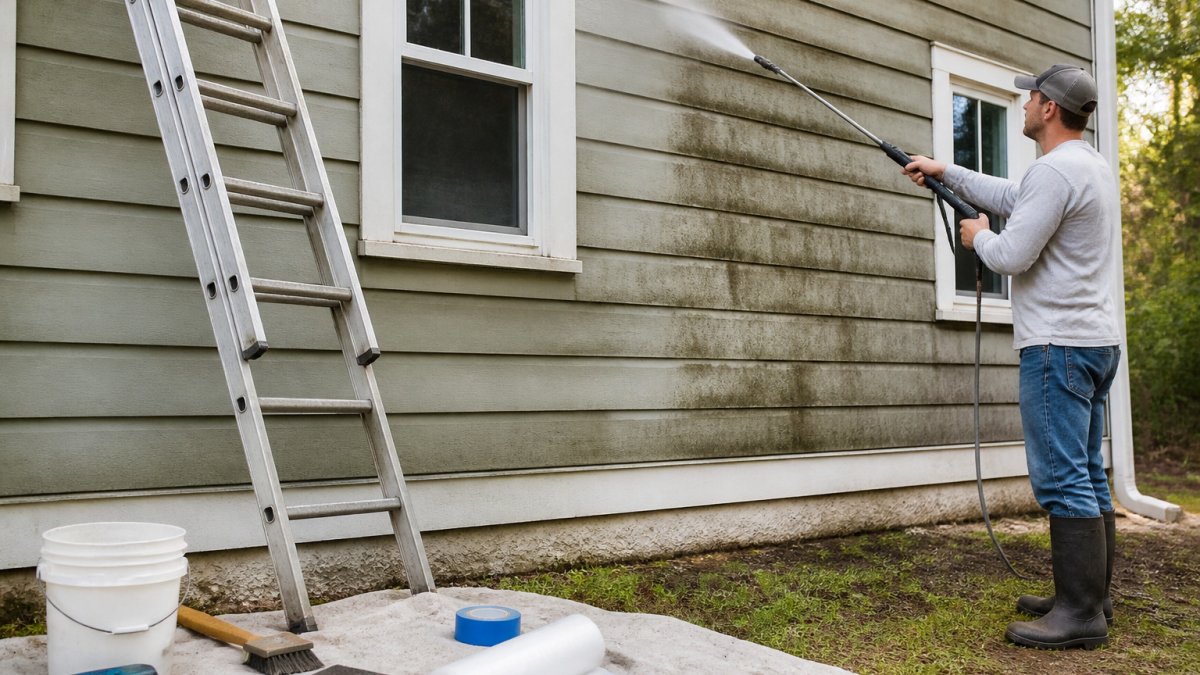
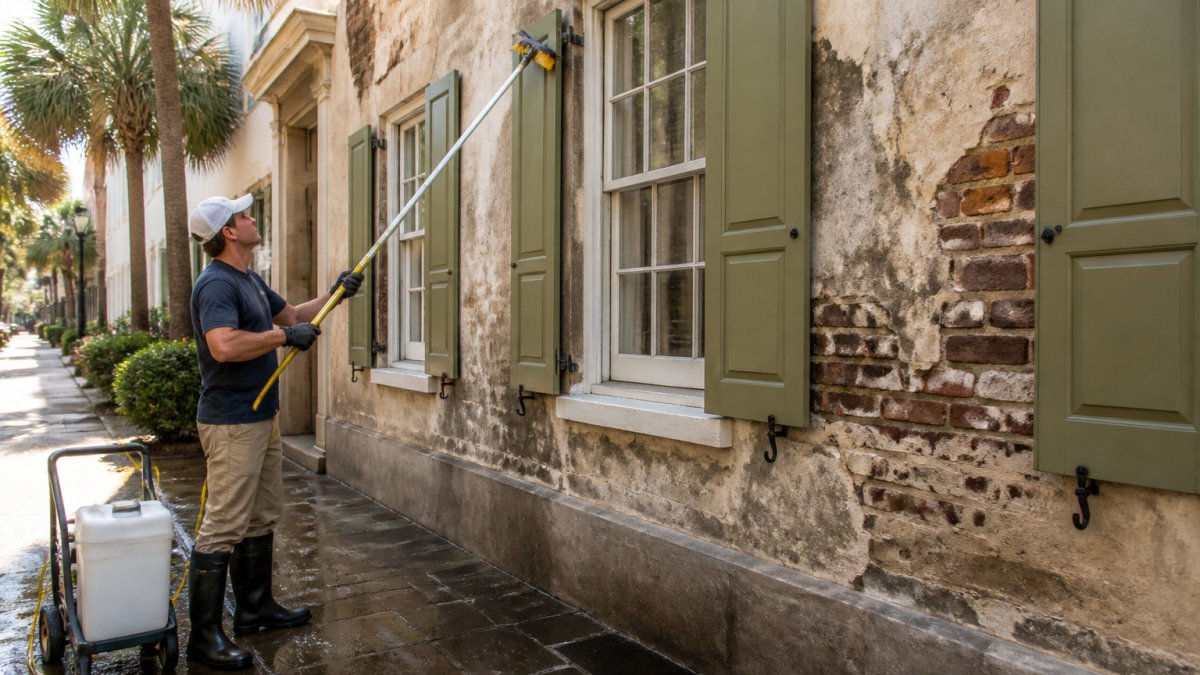
Siding requires careful cleaning because pressure washing can force water behind panels or strip paint. The safest approach uses lower pressure combined with appropriate cleaning solutions. Professional pressure washing services understand these nuances and adjust technique based on siding material.
Start by removing loose debris with a soft brush or broom. Rinse gently with low-pressure water. For stubborn algae or mold, apply a gentle cleaning solution and allow it to work before rinsing.
If your siding has mold or algae growth, address it before painting. Paint won't adhere properly over organic growth, and the problem will return quickly. Professional cleaning removes the growth entirely, leaving a clean surface ready for paint or stain.
Refreshing Exterior Paint and Siding for Maximum Impact
Exterior paint is the most visible element of your home's appearance. Faded, peeling, or chalky paint signals age and neglect.
Choose high-quality exterior paint designed for your climate. Premium paints last longer, resist fading, and provide better coverage than budget options.
Color choice matters. Lighter colors reflect heat and show dirt more easily. Darker colors absorb heat but hide weathering better. Consider your roof color, landscaping, and neighborhood aesthetic when choosing.
If your siding itself is damaged, cracked, warped, or rotting panels, paint won't fix it. Address siding damage before painting. Fiber cement siding is durable and low-maintenance. Vinyl is affordable and requires minimal upkeep.
Front Yard Landscaping Ideas That Transform Your Entrance
Landscaping creates the framework that makes curb appeal complete. A well-designed front yard draws the eye toward your entryway, creates visual balance, and signals that the property is cared for.
Start with clean landscape lines. Define planting beds with edging. Remove weeds and dead plants. Refresh mulch to create a polished appearance. These simple steps dramatically improve how organized and maintained your yard looks.
Pruning Overgrown Shrubs and Trees
Overgrown vegetation makes even a well-maintained home look neglected. Prune shrubs to their natural shape, removing dead or crossing branches. Trees should be pruned to frame your home and entryway, not obscure them.
Remove lower branches from trees to open sight lines to your front door. This creates a welcoming feeling and improves visibility for security. Trim shrubs away from windows and siding to prevent moisture issues and pest problems.
Dead or diseased plants should be removed entirely. Replacing them with healthy, appropriately-sized plants prevents future overgrowth and maintenance headaches. Choose plants suited to your climate and light conditions so they thrive with minimal care.
Adding Flowers, Planters, and Seasonal Greenery
Flowers and planters add color, life, and personality to your entryway. Potted plants flanking your front door create an immediate welcoming impression. Seasonal plantings keep your landscape fresh and show that you maintain your property actively.
Choose plants that complement your home's color palette and architectural style. Perennials return year after year with minimal effort. Annuals provide seasonal color and can be refreshed as seasons change. A mix of both creates visual interest and reduces maintenance burden.
Planters themselves become design elements. Choose containers that complement your home's style, modern, traditional, rustic, or eclectic. Quality planters look intentional and polished. Budget planters look temporary and cheap.
Curb Appeal Ideas on a Budget: Smart Spending by Tier
How to restore curb appeal in 2026 doesn't require unlimited spending. Strategic choices at different budget levels deliver maximum impact.
Budget Tier 1: Under $500 (Immediate Impact)
Start with cleaning. Professional pressure washing removes years of dirt, mold, and algae growth. A clean exterior immediately looks better and is the foundation for everything else.
Paint your front door. A fresh, welcoming color costs under $100 and creates immediate visual impact. New door hardware, handle, lock, hinges, costs $50-100 and looks noticeably better than worn original hardware.
Add potted plants flanking your entryway. Quality planters with seasonal plants cost $100-200 and create an inviting entrance. Refresh mulch in planting beds. This costs $50-150 depending on area and looks dramatically better than faded, compacted mulch.
These tier-one improvements cost under $500 combined and transform how your home looks.
Budget Tier 2: $500-$2,000 (Significant Refresh)
Paint your entire exterior. Quality exterior paint and professional application is a significant investment and protects your home from weather damage.
Add outdoor lighting. Path lights, porch lights, and accent lighting make your home look more welcoming at night while improving security. Updated light fixtures are noticed and appreciated.
Landscape refresh includes pruning overgrown vegetation, removing dead plants, and adding new plantings. This creates a polished, organized appearance.
Replace your mailbox and house numbers. These details are noticed because they're what people see up close.
Budget Tier 3: $2,000+ (Full Transformation)
At this level, combine exterior painting, comprehensive landscaping, updated lighting, new front door, and professional cleaning. This tier includes replacing siding if needed, adding hardscape elements like new walkways or edging, and creating a fully designed, cohesive front yard.
Full landscaping design might include removing old shrubs and planting new ones strategically placed to frame your home. Hardscape improvements like new concrete or pavers create lasting impact.
New front door and sidelights make a dramatic statement. Combined with fresh paint, updated hardware, and professional landscaping, this tier creates a complete transformation.
Professional Pressure Washing Cost and When It Pays Off
Professional pressure washing is the foundation of any curb appeal restoration. Pricing depends on quantity, dates, and delivery.
Pressure washing removes mold, algae, and moss that make surfaces look old and neglected. It reveals the true color of your siding and roof.
The key is using appropriate pressure and technique for your specific surfaces. Gentle wash methods protect your property while delivering deep cleaning.
Professional cleaning is an investment that extends the life of your exterior surfaces and immediately improves curb appeal.
Restoring curb appeal in 2026 combines strategic cleaning, targeted updates, and thoughtful landscaping. The sequence matters, clean first, then refresh and update, then enhance with landscaping.
Frequently Asked Questions
What are the quickest ways to restore curb appeal on a tight budget?
Start with cleaning: power washing your driveway, walkway, and siding removes years of algae and mold buildup and costs less than most other upgrades. Add fresh mulch to planting beds, trim overgrown shrubs, and paint your front door. These three steps take a weekend and typically cost under $500. Cleaning alone reveals the true condition of your surfaces and often eliminates the need for costlier repairs.
How much value does curb appeal add to my home's resale price?
Homes with strong curb appeal often sell faster and at higher prices than comparable homes with neglected exteriors. A well-maintained entryway, updated landscaping, and clean exterior surfaces create a positive first impression that influences buyer perception before they step inside. The return on investment varies by neighborhood and market conditions, but professional cleaning and modest landscaping updates can significantly enhance property value.
How can I clean my roof and siding safely without causing damage?
Pressure washing requires careful technique. High-pressure streams can strip paint, damage siding, and dislodge roof shingles. Soft-washing uses lower pressure combined with specialized cleaning solutions to remove organic growth like moss, mold, and algae without harming surfaces. Professional cleaners assess your material type, vinyl, wood, brick, or asphalt shingles, and adjust their approach. If you're unsure, professional cleaning ensures your surfaces stay protected while achieving results.
What should I tackle first when restoring curb appeal?
Clean first: remove organic growth, dirt, and stains from your roof, siding, driveway, and walkway. This reveals the true condition of your surfaces and is often the fastest, most affordable upgrade. Next, update your entryway: paint the front door, refresh house numbers, and add new door hardware. Finally, landscape: prune overgrown vegetation, add fresh mulch, and plant seasonal flowers. This sequence builds momentum and lets you assess what else needs attention.
How often should I clean my exterior to maintain curb appeal?
Professional cleaning once or twice yearly prevents buildup of mold, algae, and dirt. In humid climates, spring and fall cleanings keep organic growth in check. Between professional cleanings, rinse your siding and walkways with a garden hose to remove surface debris. Regular maintenance extends the life of your paint, siding, and hardscape while keeping your home looking fresh and welcoming year-round.
What's the difference between pressure washing and soft washing?
Pressure washing uses high-force water streams (2,500-4,000 PSI) and works well on concrete, driveways, and hardscape. Soft washing uses lower pressure (500-1,000 PSI) combined with biodegradable cleaning solutions and is safer for siding, roofs, and delicate surfaces. Soft washing removes organic growth more effectively because the cleaning agent kills mold and algae at the root, preventing rapid regrowth. Choosing the right method protects your surfaces and ensures lasting results.
Should I hire a professional or tackle curb appeal improvements myself?
Professional services save time and reduce risk, especially for roof cleaning, pressure washing, and landscaping design. Professionals have licensed, insured teams, specialized equipment, and knowledge of what works in your climate. DIY cleaning can damage surfaces or miss underlying issues. For painting, landscaping, and minor updates, many homeowners succeed with DIY approaches. A mix, professional cleaning and landscaping design, DIY planting and door updates, balances cost and results.
GET A QUOTE

Comments